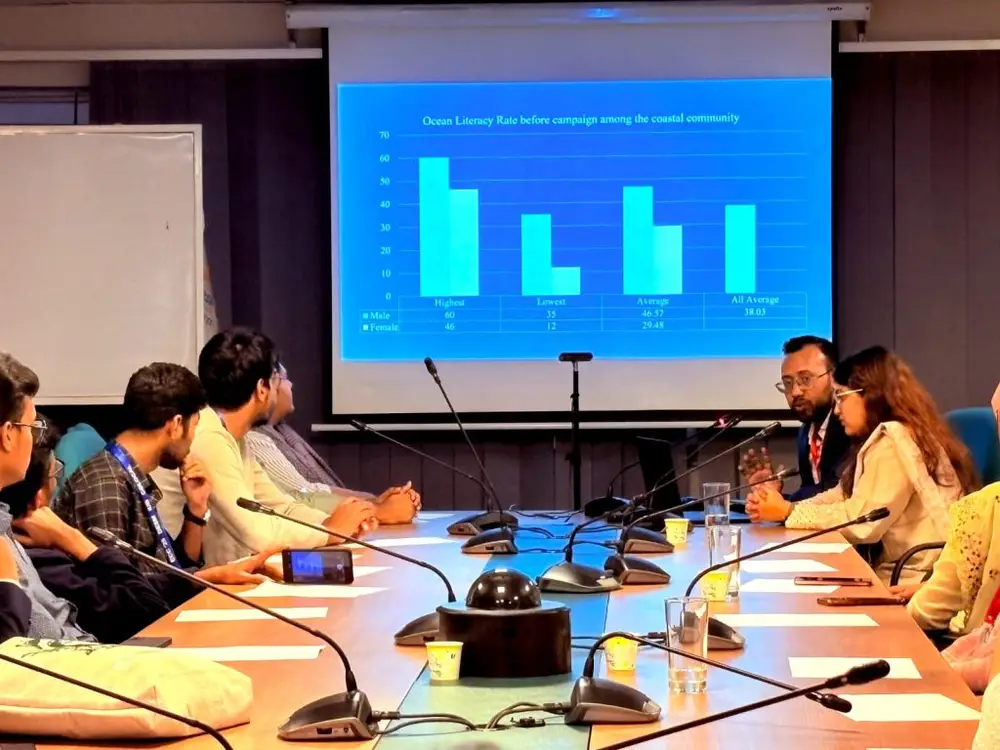
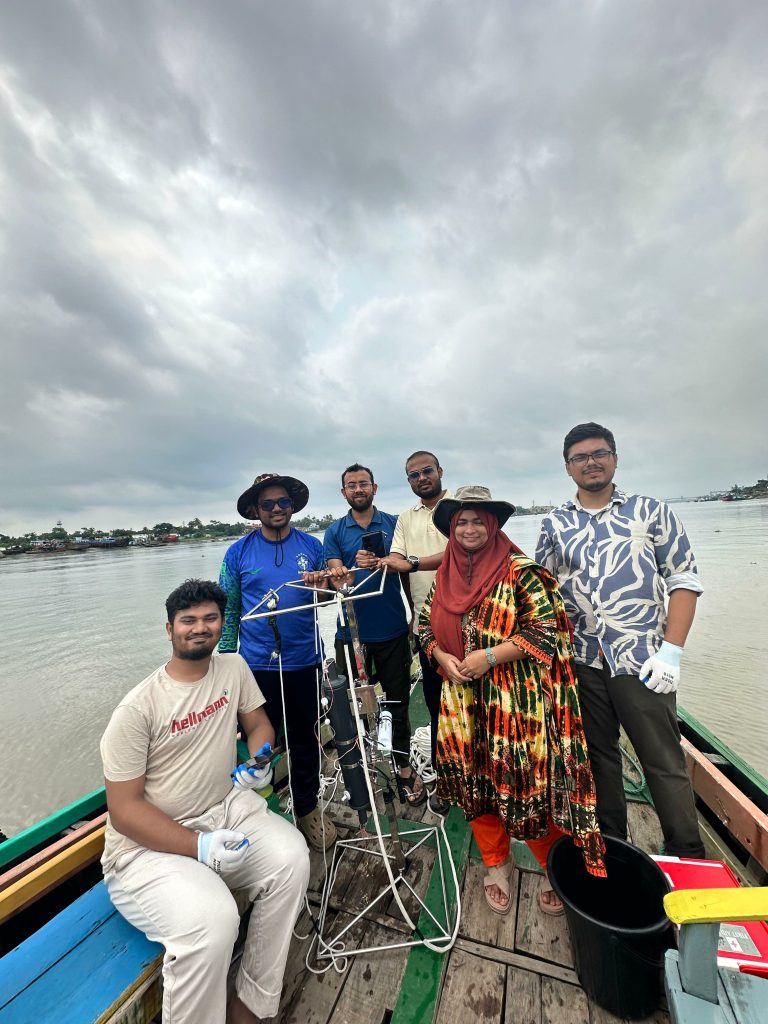
As a Research Officer at Nirmol Bangladesh, I recently had the incredible privilege of witnessing a full-circle moment in our ongoing mission to combat climate change. On April 23, 2026, our team successfully hosted the “Knowledge Dissemination Workshop: Enhancing Coastal Resilience Combating Climate Change” at the BRAC Learning Center in Cox’s Bazar. To see this event come to life was deeply personal for me, as I had been actively involved in this initiative from the very beginning.
Listening to the Voices from the Coast Long before the workshop chairs were arranged, my days were spent on the ground in some of the most vulnerable coastal settlements, including Najiratake, Somitipara, Khuruskhul, and Choufolondi Bridge. My role involved comprehensive data collection, conducting Key Informant Interviews (KIIs), and facilitating Focus Group Discussions (FGDs).
Sitting down with our core community groups—farmers, fishermen, housewives, and local youth—was a profoundly eye-opening experience. What struck me most was the depth of their indigenous knowledge. These communities don’t need to read academic papers to understand climate change; their knowledge is rooted in over 30 years of direct observation of erratic rainfall, increasing storm frequency, and rising sea levels.
During our FGDs, they also bravely highlighted how human-driven activities are compounding their miseries—from the ecological impacts of the Matarbari seaport and coal-based power plants to the chemical waste generated by dry fish production and the depletion of marine life due to destructive trawling from Chattogram.
Translating Data into Actionable Solutions Our research, conducted in collaboration with Independent University, Bangladesh (IUB) under the COLOCAL project, identified critical needs for accessible financial assistance, targeted skill development, and transparent governance. The Knowledge Dissemination Workshop was our platform to address these exact needs.
Instead of a traditional top-down seminar, we designed the workshop to be highly interactive. Our primary objective was to create a bridge between the community members I had interviewed and the government officials and experts who can provide tangible support.
Watching the group-wise, one-on-one discussions unfold was the highlight of the event. The very people who had shared their struggles with me during the field surveys were now directly articulating their challenges to the authorities:
• Farmers discussed agricultural adaptation, exploring salt-tolerant seeds and pest management with the Deputy Director of the District Agriculture Extension Office.
• Fishermen raised their concerns about declining catches and safety, receiving guidance from the District Fisheries Officer on sustainable practices and government support during fishing bans.
• Women and Housewives engaged with banking representatives to discuss financial inclusion, exploring micro-credit opportunities for alternative livelihoods like sewing, Nakshi Kantha, and poultry farming.
• The Youth connected with the District Youth Development Officer, discussing ways to formalize their volunteerism through certification and channel their energy into achieving Sustainable Development Goal (SDG) targets.
A Step Towards True Resilience For me, seeing the raw data we collected from the field transform into direct dialogues and actionable solutions was incredibly rewarding. The workshop did more than just disseminate knowledge; it empowered these communities, built stronger bridges for service accessibility, and fostered an environment of transparent governance.
True climate resilience cannot be built in a vacuum. It starts by listening to the frontline voices, understanding their unique challenges, and empowering them with the right tools. I am immensely proud of what Nirmol Bangladesh and the resilient people of Cox’s Bazar achieved at this workshop, and I look forward to continuing this vital work on the ground.